
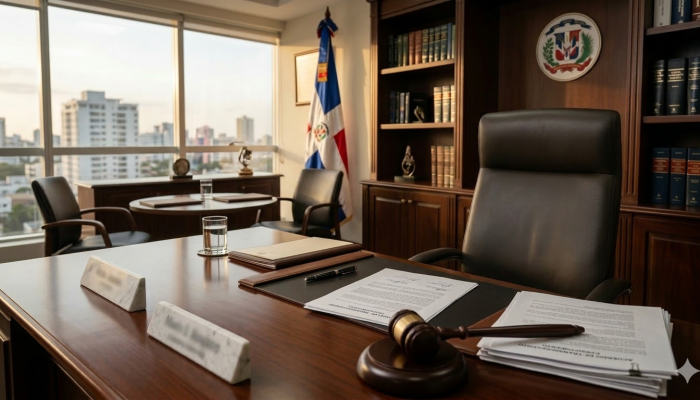
Legal disputes are a common reality in business, real estate, and personal transactions. In the Dominican Republic, having a clear understanding of how disputes are resolved is essential to protect your rights, investments, and interests.
Whether you are a local or a foreign investor, knowing the available legal mechanisms can help you act quickly and effectively when conflicts arise.
1. Common Types of Disputes
In the Dominican Republic, disputes typically arise in the following areas:
-
Real estate conflicts (ownership, boundaries, fraud)
-
Contract disputes (breach of agreement)
-
Commercial and business disagreements
-
Debt recovery cases
-
Family and inheritance matters
👉 Identifying the nature of the dispute is the first step toward choosing the right legal strategy.
2. Negotiation: The First Step
Before initiating legal action, many disputes can be resolved through direct negotiation.
-
Faster and less costly
-
Preserves business relationships
-
Allows flexible solutions
👉 A well-structured negotiation, guided by a legal professional, can often avoid lengthy litigation.
3. Mediation and Conciliation
Alternative dispute resolution methods are increasingly used in the Dominican Republic.
-
Neutral third-party involvement
-
Confidential process
-
Mutually agreed solutions
👉 Mediation is ideal for parties seeking a cooperative and efficient resolution.
4. Arbitration
Arbitration is a formal but private dispute resolution process, commonly used in commercial and international cases.
-
Faster than traditional court proceedings
-
Binding decisions
-
Greater confidentiality
👉 Widely used in business and investment disputes.
5. Judicial Process (Litigation)
When disputes cannot be resolved amicably, they are taken to court.
-
Civil and commercial courts handle most disputes
-
Formal legal procedures must be followed
-
Decisions are legally enforceable
👉 Litigation provides a definitive legal resolution but may take more time.
6. Real Estate Disputes and Land Courts
For property-related conflicts, the Dominican Republic has a specialized system:
-
Land Jurisdiction Courts (Jurisdicción Inmobiliaria)
-
Title verification and ownership disputes
-
Boundary and registration conflicts
👉 This specialized system ensures more precise handling of real estate cases.
7. Importance of Legal Representation
Having an experienced attorney is crucial in any dispute.
A legal professional can:
-
Evaluate your case and risks
-
Design the best legal strategy
-
Represent you in negotiations or court
-
Protect your rights and assets
👉 Acting without legal guidance can lead to costly mistakes.
8. Key Considerations for Foreign Investors
If you are a foreign investor:
-
Ensure contracts are legally reviewed
-
Understand local laws and procedures
-
Work with bilingual legal counsel
👉 Proper legal support is essential to navigate the system effectively.
Conclusion
Dispute resolution in the Dominican Republic offers multiple pathways—from negotiation and mediation to arbitration and litigation.
Choosing the right approach depends on the nature of the conflict, the urgency of the situation, and your long-term objectives.
Final Recommendation
When facing a dispute:
✔ Act early
✔ Seek legal advice
✔ Choose the right resolution method
A well-managed dispute can save time, money, and protect your investment.