
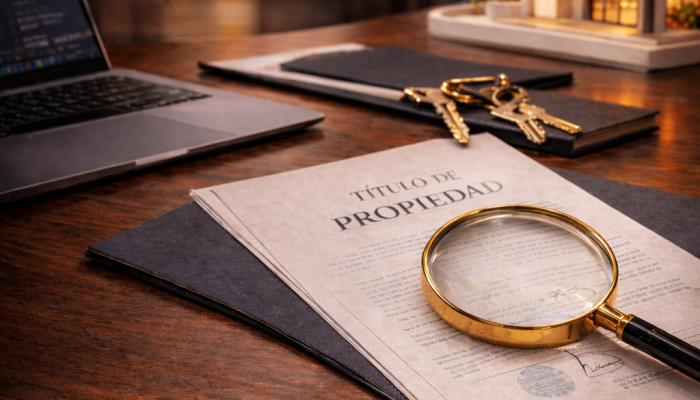
Buying property in the Dominican Republic can be an excellent investment, but it also comes with risks if proper legal due diligence is not carried out. Verifying a property title is a critical step to avoid fraud, legal disputes, or financial loss.
In this article, we explain step by step how to ensure a property is legally sound before making a purchase.
1. Check the Title Registry (Registro de Títulos)
The first and most important step is to visit the Title Registry Office corresponding to the jurisdiction where the property is located.
Here, you must confirm:
-
The seller is the legal owner
-
The title is properly registered
-
The property details match (location, size, boundaries)
👉 This step ensures the property legally exists and that the seller has the right to transfer ownership.
2. Request Official Certifications
One of the most important parts of the verification process is obtaining official documents that confirm the legal status of the property.
Key certifications include:
-
Property Legal Status Certification
-
Liens and Encumbrances Certificate
-
Non-Litigation Certificate
These documents will reveal whether the property:
-
Has mortgages
-
Is involved in legal disputes
-
Has liens or restrictions
👉 Never purchase a property without reviewing updated official certifications.
3. Verify Liens and Encumbrances
A property may appear valid but still carry legal obligations.
You must ensure the property is free of:
-
Outstanding mortgages
-
Court-ordered liens
-
Easements
-
Other legal limitations
👉 Buying a property with encumbrances could make you responsible for existing debts or legal issues.
4. Review the Property History
It is essential to analyze the property’s background:
-
How many previous owners has it had?
-
How was it acquired in the past?
-
Are there any unusual or recent transfers?
An irregular history can be a red flag.
👉 A proper review helps you avoid fraud or questionable transactions.
5. Confirm Survey and Physical Boundaries
You must verify that the property has been properly surveyed (deslinde) and that its physical location matches official records.
This includes:
-
Reviewing approved survey plans
-
Verifying coordinates
-
Confirming there are no boundary disputes
👉 Many real estate conflicts arise from boundary discrepancies.
6. Work with a Real Estate Attorney
This is one of the most important steps.
A qualified real estate attorney can:
-
Review all legal documents
-
Identify hidden risks
-
Obtain certifications
-
Guide you through the purchase process
👉 Trying to handle this process without legal assistance is one of the most common and costly mistakes.
7. Warning Signs to Watch Out For
Before closing any deal, be cautious of these red flags:
-
The seller is rushing the transaction
-
Incomplete or inconsistent documentation
-
Price significantly below market value
-
Unclear involvement of third parties
👉 If something feels off, it probably is.
Conclusion
Verifying a property title in the Dominican Republic is not just a formality—it is a crucial process to protect your investment.
Every step—from checking the Title Registry to reviewing liens and seeking legal advice—is essential to ensure a safe and secure transaction.